
The Ultimate Guide to Power Washing Your Home for a Fresh Look

Why Power Wash Your Home?
Power washing is an effective way to give your home a fresh look by removing dirt, grime, and mildew from surfaces. Over time, these elements can accumulate, leading to a dull and unattractive appearance. Regular power washing helps maintain your home’s curb appeal and prolongs the life of exterior surfaces.
Not only does power washing enhance the aesthetic appeal, but it also helps prevent damage. Built-up dirt and mold can cause surfaces to degrade over time, leading to costly repairs. By investing in regular cleaning, you can avoid these issues and keep your home looking its best.

Choosing the Right Equipment
Before you start, it's crucial to select the right equipment for the job. Power washers come in various sizes and power levels. For residential use, a pressure washer with a PSI (pounds per square inch) between 1,500 to 3,000 is typically sufficient. This range is powerful enough to clean most surfaces without causing damage.
Consider whether you need a gas-powered or electric model. Gas-powered washers offer more mobility and power, ideal for larger areas. Electric models are quieter and more suitable for smaller jobs. Be sure to also select the appropriate nozzle, as different nozzles are designed for different tasks.
Preparing Your Home
Preparation is key to a successful power washing session. Begin by clearing the area of furniture, decorations, and any obstacles. Protect plants and fragile surfaces by covering them with plastic sheeting or tarps. It's also a good idea to close all windows and doors to prevent water from entering your home.
Inspect your home for any damaged surfaces, such as loose siding or cracked paint. Repair these issues before you start power washing to avoid exacerbating the damage. Additionally, ensure all electrical outlets are covered and sealed to prevent water damage.
Power Washing Technique
When power washing, start from the top and work your way down. This approach helps ensure that dirt and grime are effectively washed away. Hold the nozzle at a 45-degree angle and maintain a consistent distance of about 12 inches from the surface to prevent damage.
Use sweeping motions to cover the area evenly, and avoid staying in one spot for too long, as this can cause streaking or damage. For tougher stains, a detergent designed for pressure washers can be applied. Allow the detergent to sit for a few minutes before rinsing it away.

Safety Tips
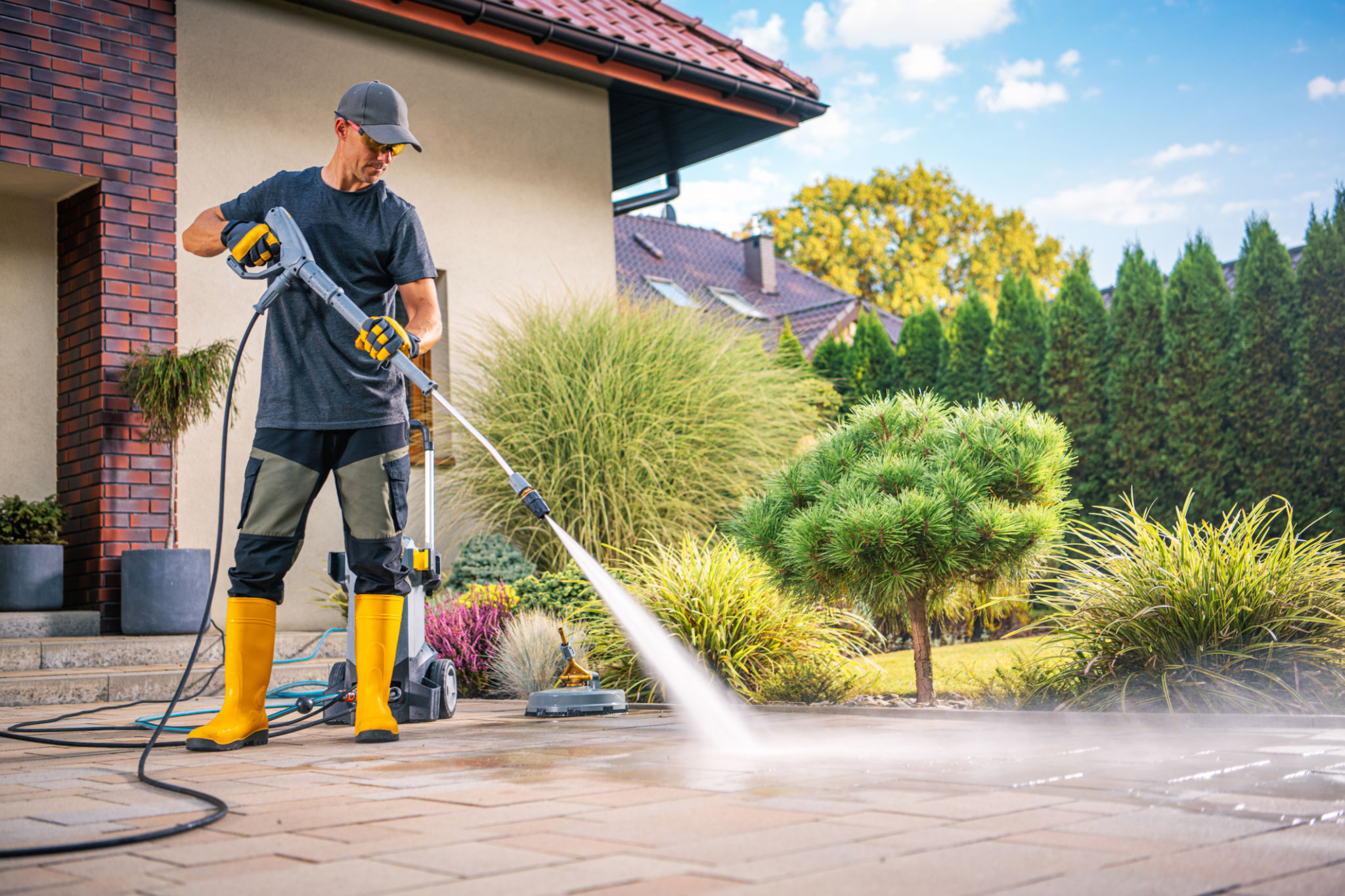
Power washing requires careful handling to ensure safety. Always wear protective gear, such as gloves and goggles, to protect yourself from flying debris and water spray. Be cautious of wet surfaces, as they can become slippery and pose a fall risk.
Never point the pressure washer at people, pets, or fragile surfaces. The high pressure can cause injury or damage. If you're using a ladder, ensure it's stable and secure, and never operate a power washer while on a ladder, as the force can knock you off balance.
Aftercare and Maintenance
Once you've finished power washing, it's important to take care of your equipment. Clean the nozzles and hoses to prevent clogs and remove any leftover detergent. Store the power washer in a dry, secure place to prolong its lifespan.
Consider establishing a regular power washing schedule to keep your home looking fresh. Depending on your location and the climate, once or twice a year may be sufficient. Regular maintenance not only enhances curb appeal but also helps protect your investment in your home.