
The Ultimate Guide to Power Washing Your Home Safely

Understanding Power Washing
Power washing, also known as pressure washing, is an effective way to clean the exterior surfaces of your home. It involves using high-pressure water spray to remove dirt, grime, mold, and other debris. This method is particularly useful for cleaning driveways, decks, siding, and roofs.

However, while power washing is efficient, it can also cause damage if not done correctly. Understanding the equipment and techniques is crucial for a safe and effective cleaning process.
Choosing the Right Equipment
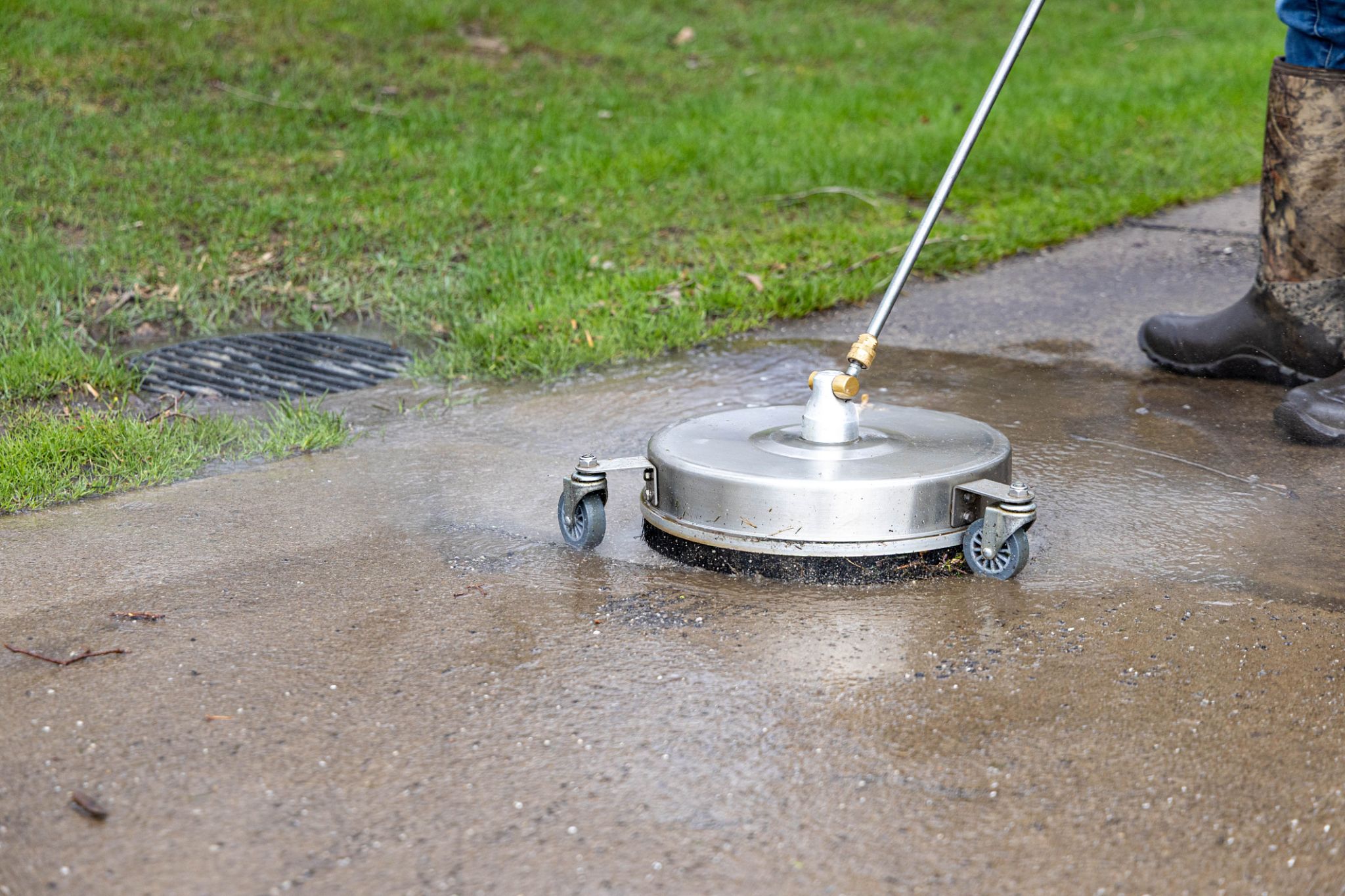
Before starting, it's important to select the right equipment. Power washers come in various power levels and types. For most home use, an electric power washer with a pressure rating of 1,300 to 2,400 PSI is sufficient. Gas-powered washers are more powerful and suitable for tougher jobs.
Additionally, choosing the right nozzle is essential. A nozzle with a wide spray pattern will cover more area and minimize the risk of damage. Typically, a 25-degree or 40-degree nozzle is recommended for general cleaning tasks.
Preparation and Safety Measures
Preparation is key to safe power washing. Start by clearing the area of obstacles and covering delicate plants or fixtures with plastic sheeting. Ensure that all windows and doors are tightly closed to prevent water from seeping inside.
Wearing protective gear is crucial. Safety goggles, gloves, and sturdy footwear will protect you from flying debris and the high-pressure water stream. Always be aware of your surroundings and keep children and pets at a safe distance.

Step-by-Step Power Washing
Once you’re prepared, follow these steps for effective power washing:
- Test the Washer: Start on a small, inconspicuous area to ensure the pressure is appropriate.
- Maintain a Safe Distance: Keep the nozzle at least 6 inches away from the surface to avoid damage.
- Work Methodically: Clean in sections, starting from the top and working your way down to prevent streaks.
Be cautious around windows and other vulnerable areas. Adjust the pressure if necessary to avoid causing any damage.
Aftercare and Maintenance
Once the cleaning is complete, allow surfaces to dry thoroughly. Inspect the area for any missed spots and touch up as needed. Regular maintenance will help keep your home looking fresh and extend the time between power washings.
Store your power washer in a dry place and perform routine maintenance according to the manufacturer's instructions. This will ensure the equipment remains in good working condition for future use.

Conclusion
Power washing your home can significantly enhance its appearance and value. By following the right techniques and safety measures, you can achieve professional results without the risk of damage. Remember, preparation and caution are your best allies in this task.